
2026 August
32nd EAA Annual Meeting
Júlia Olivé-Busom (SP6), Ptolemaios Paxinos (SP7), and Dèlgèrmaa Lhavagdorž (Mongolian Academy of Sciences) will host a session in the 32nd EAA Annual Meeting, which will take place both in Athens and online from the 26th until the 29th of August 2026.
The session, titled ”Echoes of the Steppe: Interdisciplinary Approaches to Central Asian Societies", aims to gather scholars that apply archaeoscience techniques in Central Asia.
The call for papers for this session opens on 19.12.2025 and closes on 05.02.2026
2025 Dezember
Research Group Meeting
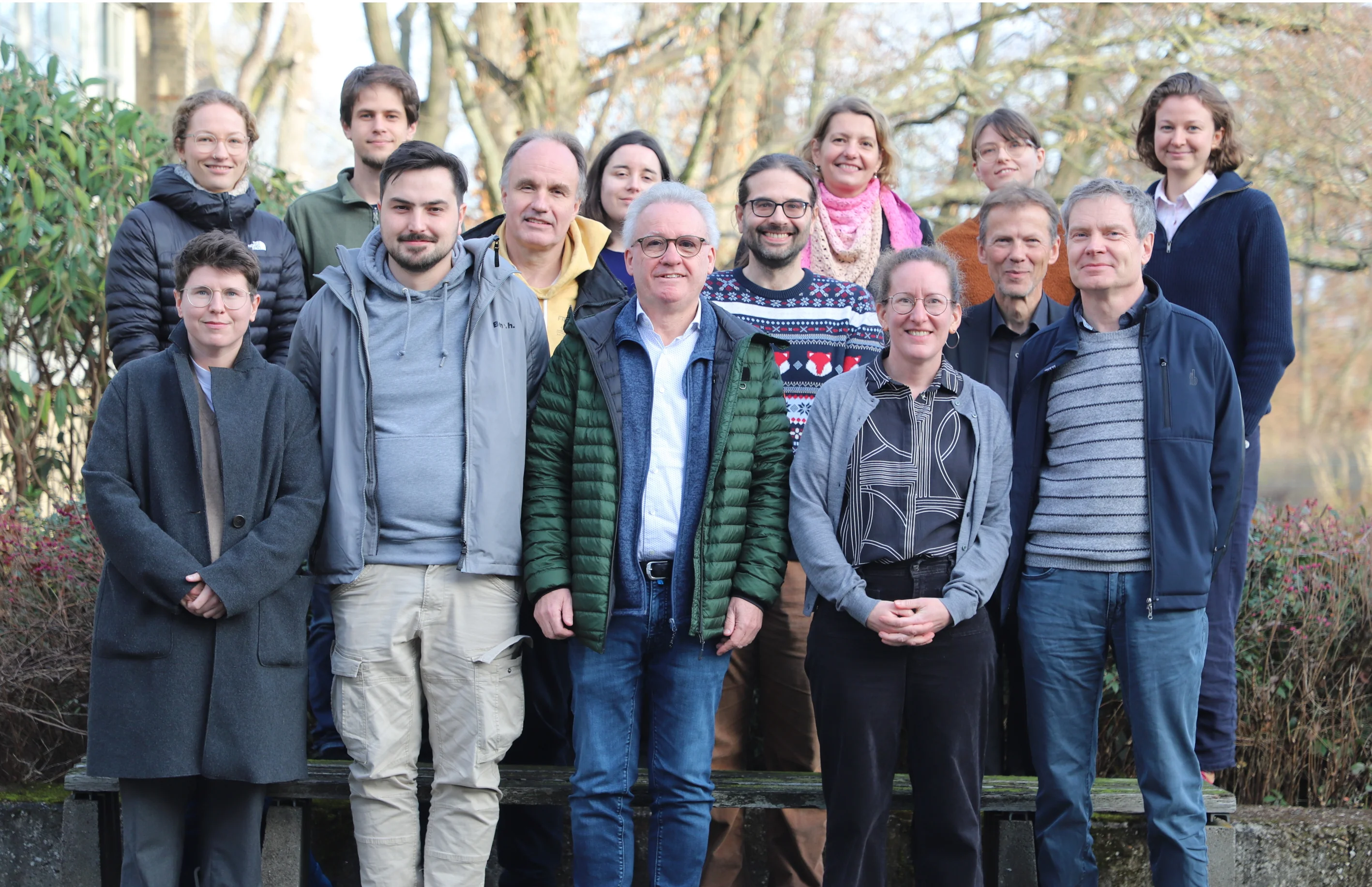
At the end of 2025, the Research Group took the opportunity to wrap up this year's work with an in-person meeting in Bonn during which all subprojects reported on their progress and laid out plans for the upcoming year. In 2026, we will continue working in the field in Mongolia alongside the processing of samples in laboratories across Germany. On the second day of the meeting we were joined by Christina Carolus, Postdoctoral scholar at Penn State University, who presented an insightful case
study centring on her work on the Xiongnu period in Mongolia. In her presentation “Reconsidering the Steppe and the Sown: Archaeobotanical and Biomolecular Insights into Foodways Transformations and Early Political Complexity in Mongolia,” she compellingly demonstrated how integrating diverse proxies across a wide range of archaeological sciences can challenge and refine long-standing assumptions about the relationship between pastoral economies and agricultural practices.
2025 November
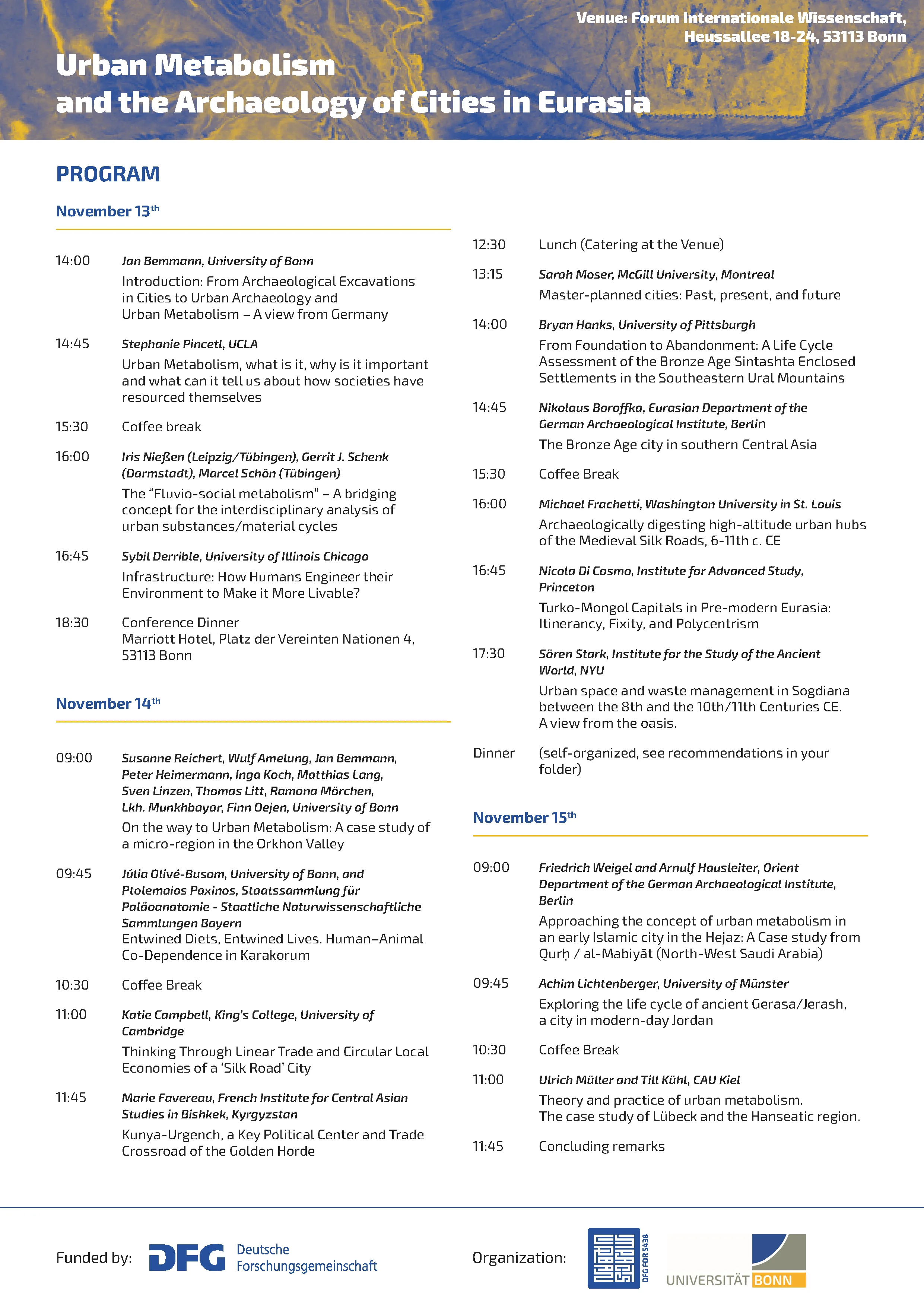
Conference: Urban Metabolism and the Archaeology of Cities in Eurasia
The research group welcomed an international group of archaeologists, historians and geographers to Bonn in November 2025 to discuss the concept of urban metabolism and its application to cities in the Eurasian steppe.
CONFIRMED SPEAKERS:
Sabine Barles, Nikolaus Boroffka, Sybil Derrible, Nicola Di Cosmo, Marie Favereau, Michael Frachetti, Bryan K. Hanks, Arnulf Hausleiter, Achim Lichtenberger, Ulrich Müller, Stephanie Pincetl, Sören Stark, PIs of DFG FOR-5438
2025
June & September
Ulaanbaatar
 © Júlia Olive Busom
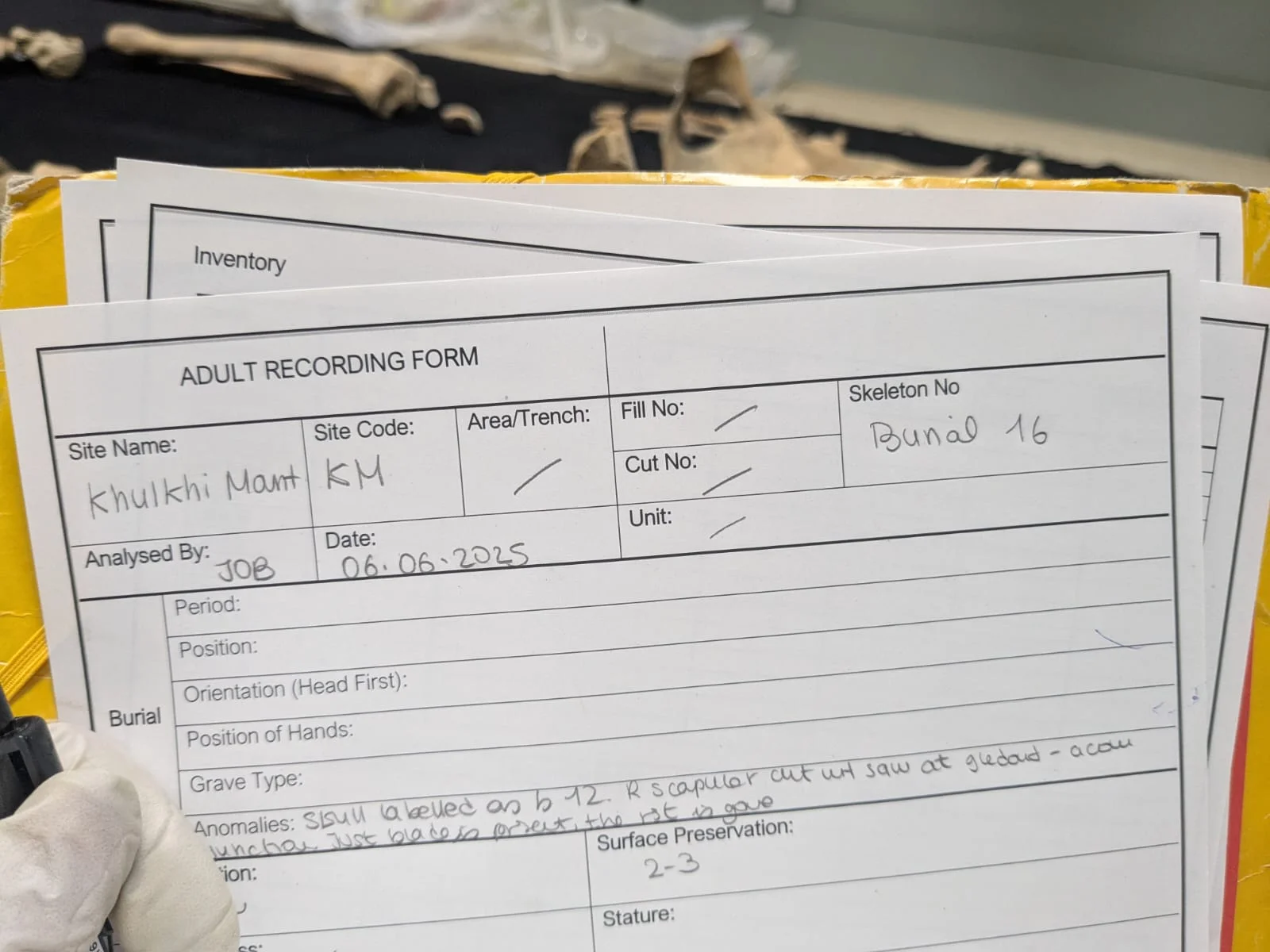
During this field season, SP6 has continued the analysis of Mongol period osteological collections. This time, thanks to a collaboration agreement with the National University of Mongolia, Júlia Olivé-Busom was able to study a large Mongol population interred at the heart of the Orkhon Valley, which will provide a key counterbalance to the Muslim population from Karakorum that is currently under investigation by this subproject. Each skeleton was also sampled for various hard tissues, which will be transformed into isotopic and genetic data; these will, in turn, become part of our growing dataset that aims at gaining better insights into health and nutrional status, provenance and mobility behaviors of the inhabitants of the Orkhon Valley during the Mongol period.
During the sampling process, she was joined by Joris Peters and Ptolemaios Paxinos (SP7) and, together, they developed a sampling strategy for the animal population of Karakorum and Sarlag Tolgoi that is currently under our study, in order to choose the best and most representative specimens of the city to add to our current isotopic baseline. This will not only better contextualise the human data but also contribute to our understanding of animal mobility, habitats, and feeding practises.
2025 August
Ögii Nuur drilling operation
In late August 2025 SP 8 (Palaeoecology and Palaeoclimatology) conducted a drilling campaign at Ögii Nuur (Ögii Lake, 47°46’ N, 102°46’ E) to obtain a continuous record of the lacustrine sediments. The terminal lake covers an area of about 25 km2 and is fed by the Orkhon River (Orkhonselenge et al. 2022). The sediments deposited in a lake of this size can serve as a palaeoecological archive on a regional scale.
The drilling campaign was carried out with a floating drilling platform constructed by Austrian company UWITEC and operated by the team of our subproject. During ten days of fieldwork, we managed to drill three different boreholes at ca. 15 meters water depth, reaching a maximum sediment depth of nine meters. We expect the sediment record to cover the entire Holocene and probably also part of the Late Glacial. This would allow for a detailed palynological analysis and the reconstruction of (Pre-)Holocene vegetation history in the Orkhon Valley.
2025
May–June
Mongolia
 © Norman Klahre
During this field season, SP2 began excavating the fixed habitation site of Sarlag Tolgoi. Following a magnetic survey conducted by Sven Linzen and his PhD candidate, Sambit Satapathi (SP4), the team uncovered multiple settlement layers, indicating long-term use of the site. An abundance of faunal remains and ceramic assemblages provides ample opportunity for in-depth study of the inhabitants' dietary patterns. Fortunately, Joris Peters and Ptolemaios Paxinos (SP7) were able to visit us during the fieldwork and provided an initial assessment of the fresh materials.
The animal bone collection enables us to compare consumption patterns, supply chains, and herd management practices between this habitation site and Karakorum. One memorable day, local high school kids from nearby Ögii Nuur Sum paid us a visit and learned about our work from Möngöntulga, one of our Mongolian co-workers and soon-to-be teacher. We are now eagerly awaiting the radiocarbon dates from the excavations, which will hopefully confirm our dating of the site to the Mongol Empire period. Currently, this is based on the collection of local ceramic wares and imported glazed wares from present-day China.
2024 November
Research Group Meeting
 © Susanne Reichert
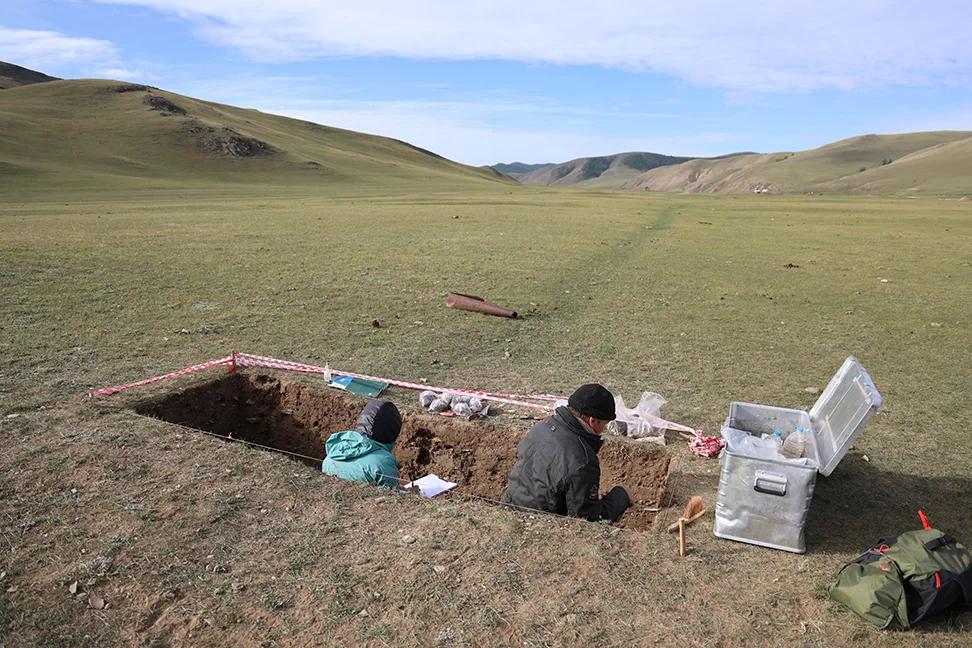
The Research Group concluded the year with an in-person meeting in Bonn in November, where we reviewed our accomplishments to date and laid out plans for the upcoming year. All subprojects reflected on a successful year, during which most members traveled to Mongolia twice and dedicated significant time to analyzing the initial set of samples in the laboratory.
This year, Katie Campbell from King’s College, Cambridge, delivered the keynote lecture, presenting her work on "Current Research at the City of Otrar (Kazakhstan) and its Landscape." Her team employs a multi-proxy approach to studying Otrar, a city that was inhabited from the third to the nineteenth centuries, along with its surrounding environment. This research offers an intriguing comparative case study for our work around Karakorum.
2024
August–September
Mongolia
 © Ruben Burkhardt
Our third field season proved to be again very busy with almost all subprojects being present in Mongolia simultaneously! Together with SP 3 and SP 8, SP 1 endeavoured to our second comparative study area in the Khanui valley, where they took new aerial imagery (RGB and multispectral), and corings for environmental archives in a lake nearby the Mongol period city of Khar Khul Khaany Balgas. This year, SP 1 and 3 joined forces again to conduct excavations in two compounds in the habitation site of Bayan Gol.
The team also dug a series of trenches within the agricultural field systems identified through remote sensing that were further investigated by SP 5 with support by Stefan Pätzold, Bonn University. SP 6 concluded their excavation of the massive burial mound in the cemetery north of the Karakorum city wall, uncovering intricate burial architecture and the remains of several adult and children’s inhumations. As in the previous campaigns, it was SP 7’s fate to be secluded in Ulaanbaatar to manage the extraordinary number of animal bones collected from the cultural layers in the middle of Karakorum during previous excavations.
2024
May–June
Mongolia
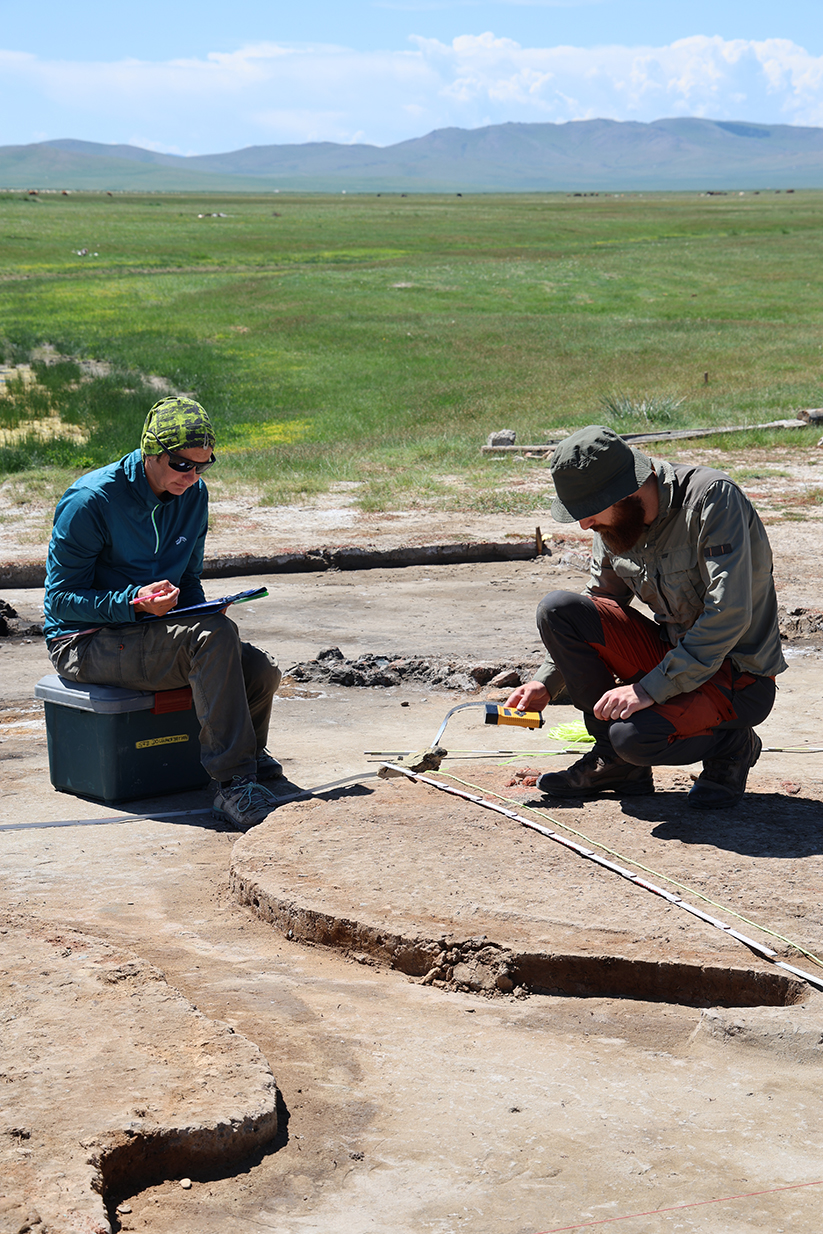
Our second field season in Mongolia continued right where we left off during the first season in the previous year. Apart from being the main point of contact for the French film team who accompanied us this season, SP 1 dedicated time to ground truth sites discovered through desktop surveys of satellite imagery and aerial flight data. SP 2 focused on the excavation of the production site at Zharantai Gol, the team only discovered the year before through the meticulous pedestrian survey efforts. Prior to excavation, SP 4 joined the team for one week to conduct magnetic measurements of the site, which proved invaluable for choosing and setting out our excavation areas. SP 3 complemented their existing database of drone imagery (both RGB and multispectral) on sites from the Orkhon valley to obtain comparative datasets from different times of the year.
SP 6 continued their excavations at a mound within the cemetery north of the city wall of Karakorum, which yielded a number of interments. Judging by the style of their burial, the people buried there were indeed of the Muslim faith. SP 7 likewise continued with the work from the previous year, studying the faunal collection from Karakorum. An exciting new experience for all members of the research group proved to be the visit by the French film team (Pernel Media), who are producing a documentary on the “Lost Cities of Chinggis Khan”. We cannot wait to see the final cut!
2023
November
Research Group Meeting
In November 2023, all members of the Research Group were reunited for the first time after the official start of the project for a meeting in Bonn. The meeting kicked-off with a keynote lecture by the geographer Michael Klinge from the Georg-August University Göttingen, who talked about “Geomorphological evidence from sediments as archives of climate change and human influence on landscape evolution in the northern Khangai Mountains, Mongolia”, which led us right into the heart of our subject.
All PIs reported on the progress of their individual projects, which provided the basis for discussing further steps and plans for the upcoming field seasons.
2023
August–September
Mongolia
 © Júlia Olive Busom
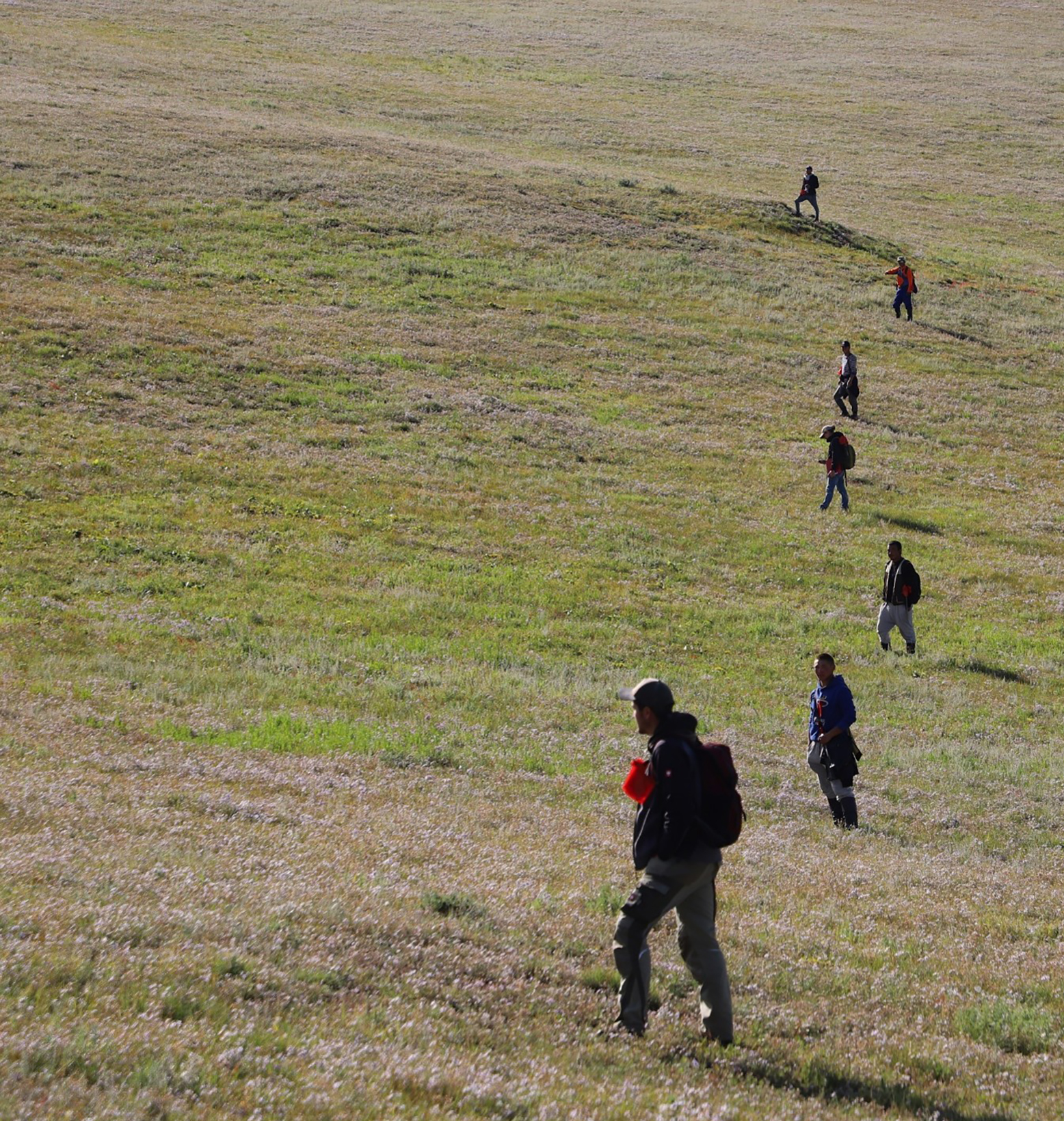
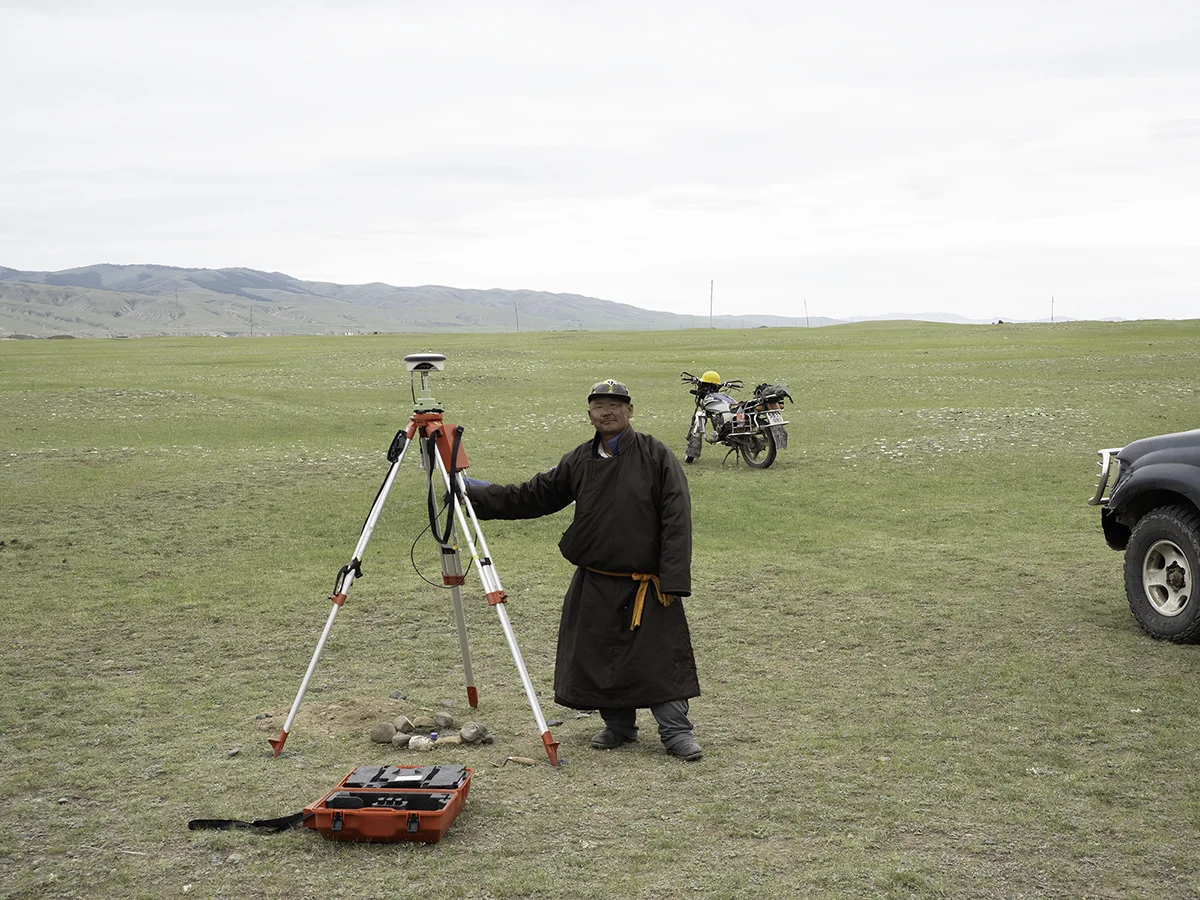
The Research Group embarks on its exciting first fieldwork season in Mongolia! SP 1 and 2 combined forces to carry out a pedestrian survey in the area between Doityn Balgas, Ögödei Khan’s Spring Palace, and the center of Ögii Nuur to the north. During this survey, the team identified 71 previously unknown sites, one of which – located near Doityn Balgas along the Zharantai River – stood out as particularly promising. This site was selected for further investigation in the following year. Meanwhile, SP 3 joined the team in the Orkhon Valley to conduct aerial surveys over key research areas, utilizing both conventional photography and multispectral documentation. SP 5 also participated in the Orkhon Valley fieldwork, gathering initial soil samples from building platforms at the two settlements of Baga Nariin Am and Sarlag Tolgoi.
SP 6 focused on excavating artificial mounds marking the location of a vast, presumably Muslim cemetery just outside the northern city wall of Karakorum. These findings will be complemented by studies of previously excavated burials from the Karakorum region, housed in the Kharkhorin Museum and various collections in Ulaanbaatar. Additionally, SP 8 began sampling environmental archives from oxbow lakes along the Orkhon River at multiple sites. Last but not least, SP 7 started analyzing the faunal collection from earlier excavations at Karakorum by Bonn University, now housed in Ulaanbaatar.
back to top